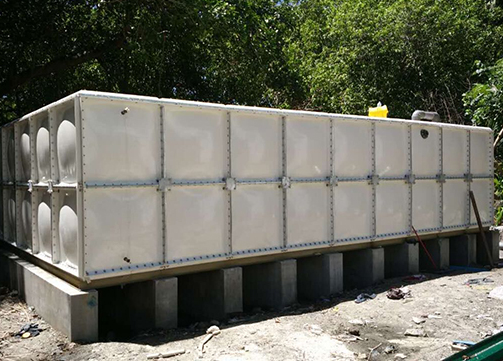
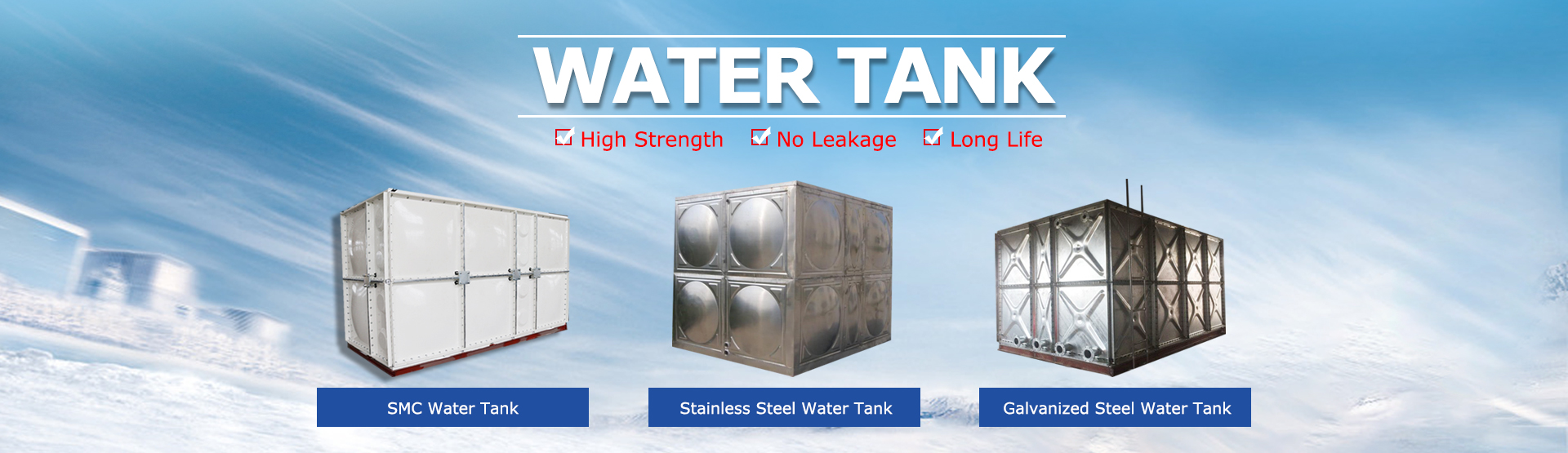
FRP Water Tanks, also known as GRP Water Tanks or SMC Panel Water Tanks, are widely used for residential, commercial, and industrial water storage. These composite water tanks combine corrosion resistance, structural strength, and long-term durability, offering reliable performance for a wide range of applications, including potable water storage, fire protection systems, cooling towers, and industrial processes.
FRP (Fiber Reinforced Plastic) and GRP (Glass Reinforced Plastic) refer to the same composite material consisting of resin and fiberglass reinforcement. SMC (Sheet Moulding Compound) is a manufacturing process used to produce high-strength molded panels that are assembled into modular water tanks.
These tanks are built from prefabricated panels connected with bolts, sealing gaskets, and reinforcement structures. The modular design allows flexible capacity and easy transportation while maintaining excellentmechanical strength and corrosion resistance.
Domestic water storage for residential and commercial buildings
Fire-fighting water reserves
Cooling tower make-up water systems
Rainwater harvesting and irrigation systems
Industrial process water storage
Their corrosion resistance, lightweight structure, and hygienic material make them suitable for both indoor and outdoor installations.
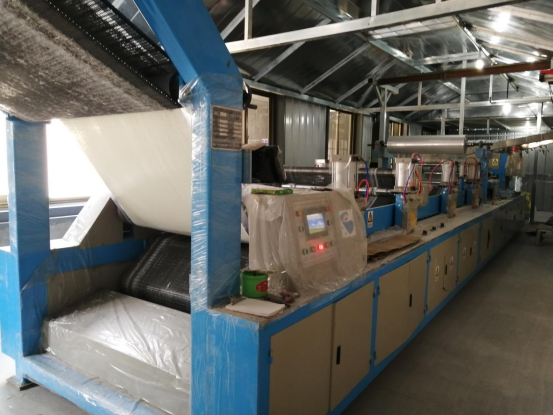
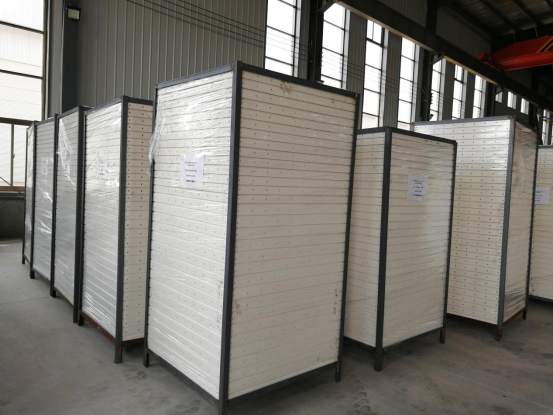
Proper installation ensures structural stability and watertight performance. Most FRP and SMC tanks are assembled on site using standardized panels and support frames.
1. Foundation Preparation: A leveled concrete base or structural steel foundation must be prepared before installation. The base ensures that the load of the water tank is evenly distributed and prevents structural deformation during operation.
2. Steel Base Frame Installation: Steel footings or channel frames are installed on the concrete foundation to support the bottom panels of the tank. This frame provides structural reinforcement and prevents movement during filling.
3. Bottom Panel Assembly: SMC or FRP panels are placed on the base frame to form the bottom of the tank. Rubber gaskets or sealant strips are applied between panels to ensure water tightness.
4. Wall Panel Installation: Side panels are installed sequentially and connected with bolts and nuts. Panels are carefully aligned to maintain dimensional accuracy and structural strength.
5. Roof and Reinforcement Installation: After assembling the walls, roof panels and support structures are installed. Internal tie rods or braces are added to resist hydrostatic pressure when the tank is filled with water.
6. Piping and Accessories Installation: Essential accessories such as inlet pipes, outlet pipes, overflow pipes, air vents, ladders, and manholes are installed. These components ensure safe operation and maintenance access.
7. Testing and Commissioning: After installation, the tank is filled with water and monitored for leakage or structural issues. A successful water-tightness test confirms that the tank is ready for service.
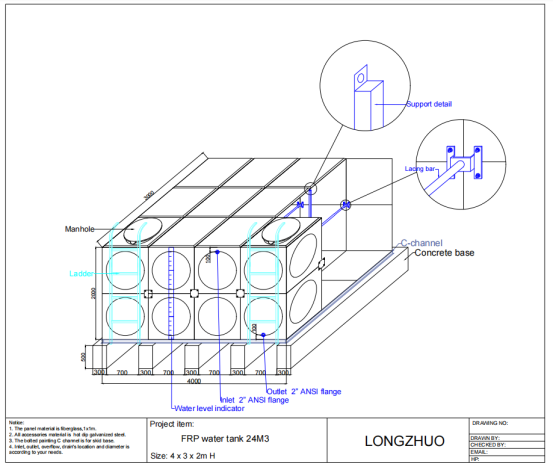
Over time, water tanks may require repair due to aging components, structural stress, or accidental damage. Professional maintenance ensures reliable performance and extends the service life of the system.
1. Panel Repair or Replacement: Damaged or cracked panels can cause leaks and structural weakness. Repair work typically involves replacing the defective panel and resealing the joints with new gaskets or sealants.
2. Leak Sealing: Leaks may occur at panel joints, bolts, or pipe connections. Technicians inspect the entire tank and apply sealing materials to restore water tightness.
3. Structural Reinforcement: Large tanks may experience stress due to water pressure. Reinforcement work includes tightening tie rods, replacing corroded support structures, or installing additional bracing systems.
4. Tank Cleaning and Inspection: Periodic cleaning removes sediment, algae, and microbial buildup. Regular inspections help identify early signs of corrosion, joint failure, or structural deformation.
Compared with traditional steel or concrete tanks, composite panel tanks provide several operational advantages:
Corrosion resistance: Fiberglass materials resist rust and chemical exposure.
Lightweight structure: Easier transportation and faster installation.
Modular design: Flexible capacity and easy expansion.
Excellent sealing performance: Rubber gaskets ensure watertight joints.
Long service life: Durable materials reduce maintenance costs.
These features make FRP and SMC tanks widely used in modern water storage systems across residential, commercial, and industrial sectors.
FRP, GRP, and SMC panel water tanks offer an efficient and durable solution for water storage. Their modular design enables fast installation and convenient transportation, while their composite materials provide excellent resistance to corrosion and environmental conditions.
Professional installation, regular inspection, and timely repair work are essential to maintain the tank’s structural integrity and water quality. With proper maintenance, FRP and SMC water tanks can deliver reliable service for many years in a wide range of applications.
So if you are in need of a reliable and durable water storage solution, look no further than our range of GRP, galvanized steel, and stainless steel water tanks. Contact us today to learn more about our products and how we can help meet your water storage needs.
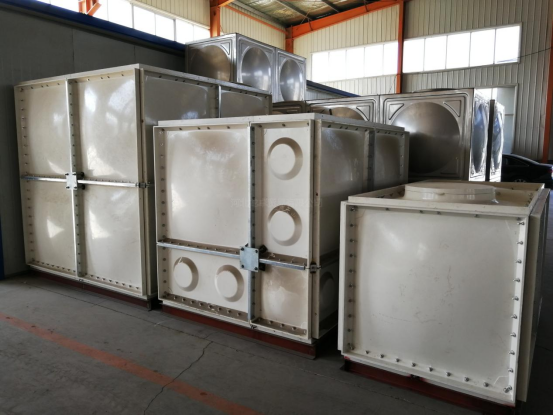


Address
No.88, Qilian Street, High-Tech Zone, Shijiazhuang, Hebei 050000, China
Tel
+86 311 6779 0805
+86 188 4915 5666
Copyright © Hebei Long Zhuo Trade Co., Ltd. All Rights Reserved Technical Support:  Sitemap