Cooling tower louvers are a critical component for maintaining an efficient cooling tower system. They play a key role in ensuring that water within the tower remains in good quality and quantity. In a cooling tower, water and air are brought together, which can lead to certain issues if not properly controlled. For example, unwanted species such as algae or bacteria may grow, water quality may decline, or water may splash out of the tower. These conditions can reduce the effectiveness of the cooling tower and impact the overall capacity of a plant, refinery, or any facility that relies on cooling towers. Properly designed louvers and panels help prevent these problems, ensuring optimal cooling tower performance.
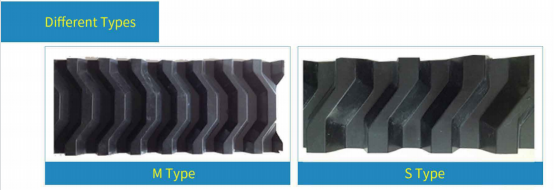
Cooling tower louvers serve multiple purposes:
Prevention of sunlight penetration: By blocking sunlight from reaching the basin, louvers help prevent algae and bacterial growth.
Splash-out control: Louvers reduce water splashing, keeping water retained inside the collection basin.
Debris exclusion: They prevent large materials and debris from entering the tower.
Efficient airflow: Proper louver design ensures unobstructed air movement from water pipes to spray nozzles, improving cooling efficiency.
Cost reduction: By reducing algae growth and debris accumulation, louvers help minimize chemical usage and maintenance costs.
Cooling tower louvers come in different types and materials:
Air intake louvers: Typically solid sheets made of PVC, galvanized steel, or stainless steel.
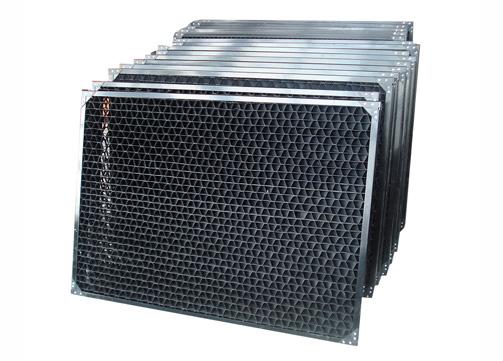
Louver panels: Feature small openings across the surface to allow airflow while controlling debris entry.
Sizes:
Air intake louvers may have widths of 8 9/16 inches or 10 ½ inches, with thicknesses ranging from 3/32 to 3/16 inches.
Other models may have widths of 700–800 mm and lengths of 2,400 mm.
Casing panels can have widths of 42 inches, thicknesses between ⅛ and ¼ inches, and lengths up to 144 inches.
Custom sizes are also available to meet specific cooling tower requirements.
Materials:
Louvers can be made from polyvinyl chloride (PVC), galvanized steel, or stainless steel depending on performance needs and environmental conditions.
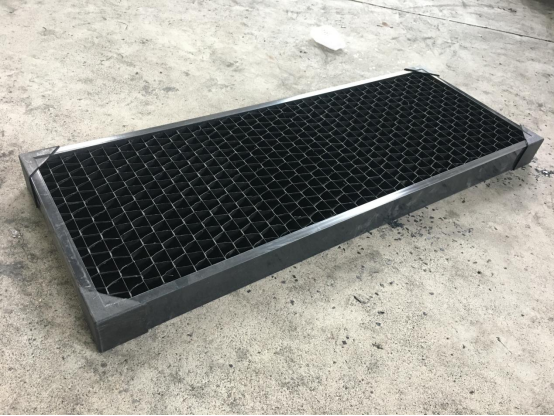
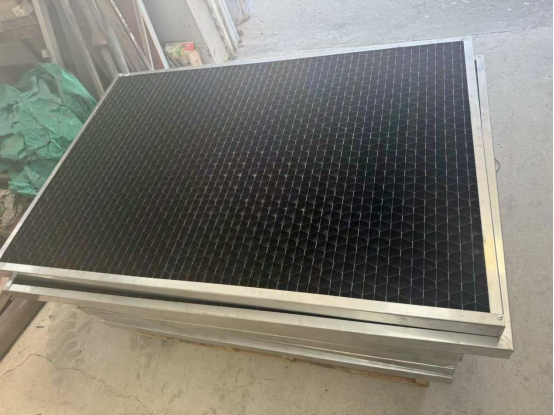
Flexible installation: Cooling tower louvers can be fitted to various types of cooling towers, whether newly built or existing, avoiding major modifications.
Functional design: Beyond aesthetics, louvers serve as barriers against sunlight and debris, while improving airflow. This supports algae prevention, reduces water splash-out, and enhances tower efficiency.
Smooth and glossy surface: Helps prevent scale buildup, reducing cleaning and maintenance efforts and costs.
UV resistance: Protects against sunlight, reducing algae growth and improving louver durability.
Corrosion resistance: Extends the service life of louvers, making them a cost-efficient choice for long-term cooling tower operation.
Even though louvers may seem like a small part of the system, they have a significant impact on the performance and sustainability of cooling towers. Selecting the right type of louvers and ensuring proper installation is essential for maintaining tower efficiency, reducing maintenance costs, and prolonging equipment life.


Address
No.88, Qilian Street, High-Tech Zone, Shijiazhuang, Hebei 050000, China
Tel
+86 311 6779 0805
+86 188 4915 5666
Copyright © Hebei Long Zhuo Trade Co., Ltd. All Rights Reserved Technical Support:  Sitemap