Tube settlers remain a widely adopted solution in sedimentation and clarification processes, especially in water treatment plants seeking higher efficiency without large infrastructure expansion. Over the past years, improvements in materials, hydraulic design, and system integration have made tube settlers more relevant for both new installations and retrofit projects.
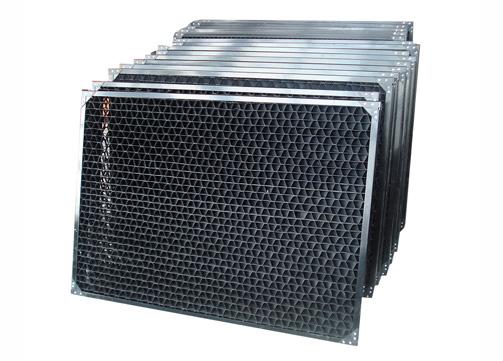
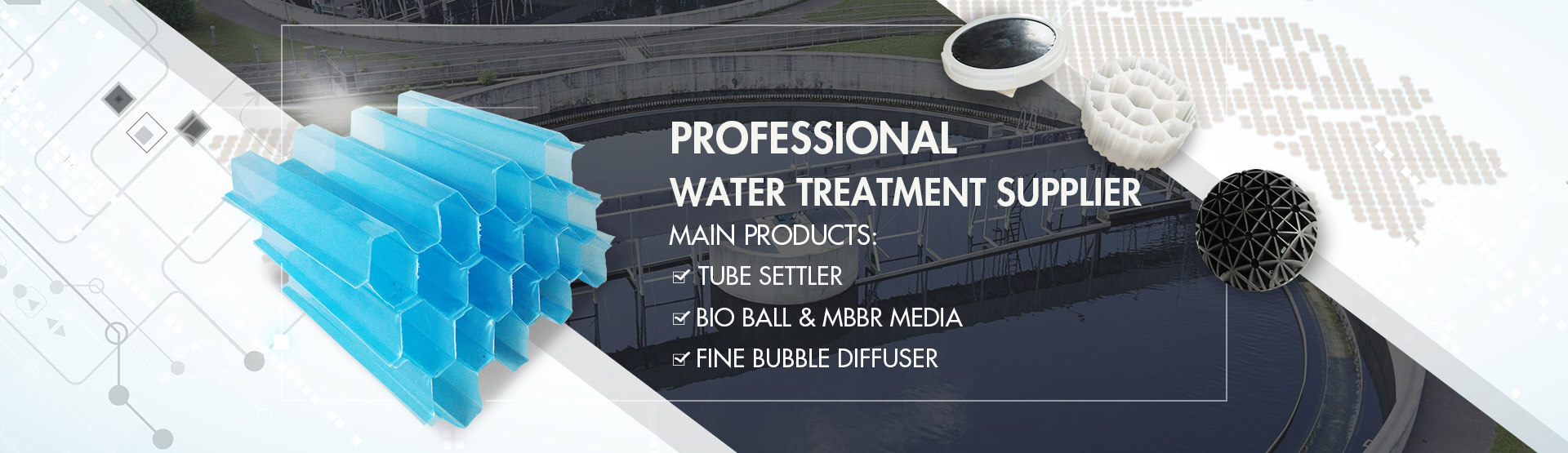
Tube settler is a lamella-type clarification component made up of multiple closely packed inclined tubes, typically arranged at a 50°–60°angle.
Modern tube settler media is commonly manufactured from:
PVC (most common)
Polypropylene (improved chemical resistance)
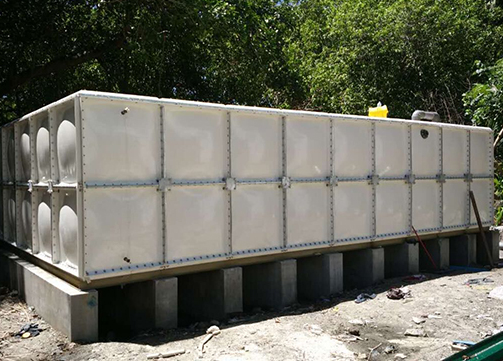
FRP-supported modular structures (for heavy-duty applications)
The primary function remains the same: to enhance solid-liquid separation by increasing effective settling surface area within a compact footprint.
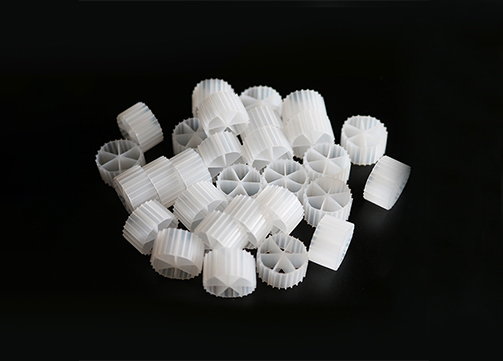
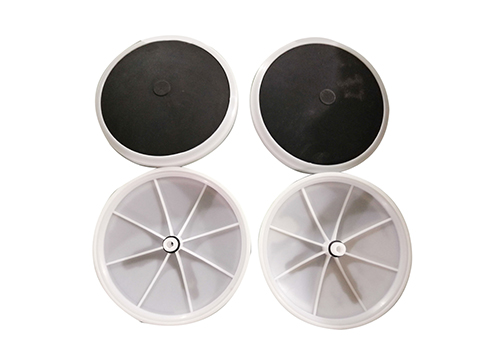
For facilities requiring integrated clarification systems, tube settler media is often used together with MBBR bio media and diffusion aerator.
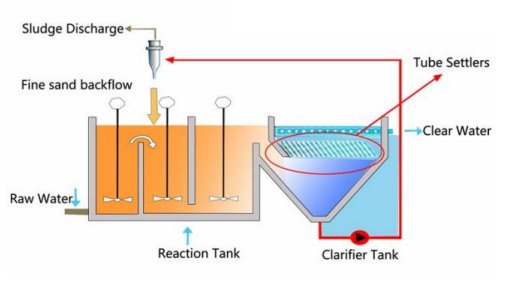
The working principle is based on shallow depth sedimentation, but modern designs improve flow stability and hydraulic efficiency.
Key Process Mechanism:
Raw water enters the clarifier and flows upward or horizontally through inclined tubes
Suspended solids settle onto the tube surfaces due to reduced settling distance
Particles slide down along the tube walls into the sludge collection zone
Clarified water exits from the top outlet zone
Tube settler systems are designed to optimize hydraulic performance and solids separation efficiency.
Key Structural Features:
Inclined tube bundles arranged in parallel layers
Uniform spacing to maintain stable flow distribution
Modular blocks for flexible installation
Smooth internal surfaces to reduce particle adhesion
Both tube settlers and plate settlers are used in lamella clarification systems, but they differ in structure and application focus.
Tube Settlers:
Higher specific surface area within compact volume
Lightweight and easier to handle during installation
Suitable for retrofit projects and space-limited tanks
Generally lower material and construction cost
Plate Settlers:
Higher mechanical strength, especially in metal versions
More suitable for high-load or abrasive environments
Longer structural lifespan in demanding conditions
Higher initial investment and installation requirements
1.Municipal Water Treatment: Raw water clarification before filtration, Surface water treatment systems, Capacity improvement of existing sedimentation tanks.
2.Wastewater Treatment: Primary sedimentation tanks, Secondary clarification processes, Tertiary polishing stages.
3.Industrial Water Systems: Process water clarification, Cooling water recycling systems, Effluent pre-treatment units.
4.System Upgrades and Retrofit Projects: Increasing clarifier capacity without tank expansion, Improving particle removal efficiency in existing systems, Enhancing hydraulic performance of aging treatment plants.
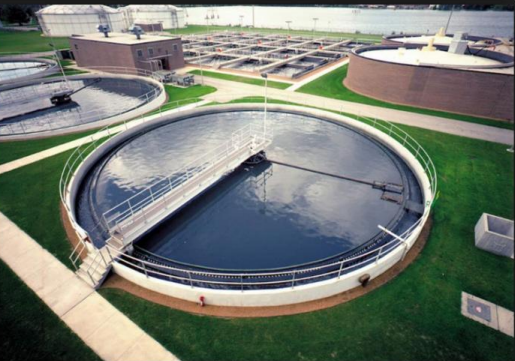
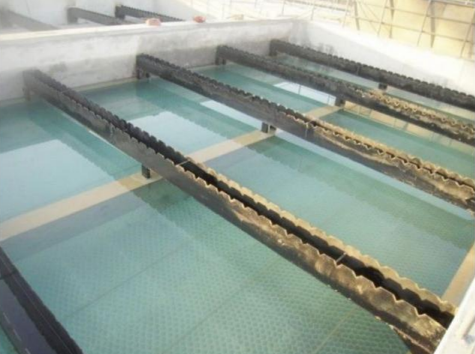
Tube settlers are widely used because they improve sedimentation efficiency within existing infrastructure.
Key Benefits:
Increased effective settling area without enlarging tank volume
Higher hydraulic loading capacity
Improved solid separation efficiency
Compact installation design
Lower civil construction requirements
Easy integration into existing clarifier systems
1.Material Selection: PVC is commonly used for general water treatment, Polypropylene is preferred for chemically aggressive environments
2.Hydraulic Distribution: Uniform flow distribution is necessary to prevent short-circuiting, Proper inlet design improves overall sedimentation efficiency
3.Maintenance Factors: Periodic cleaning may be required in high-solid conditions, Sludge removal systems should be properly designed to avoid buildup
4.Operating Conditions: Excessive turbulence can reduce settling efficiency, Particle size distribution affects overall performance
Tube settlers remain an important component in sedimentation and clarification systems due to their ability to enhance settling efficiency within compact spaces. Their modular structure, adaptable materials, and compatibility with existing clarifiers make them widely used in water treatment and wastewater treatment applications.


Address
No.88, Qilian Street, High-Tech Zone, Shijiazhuang, Hebei 050000, China
Tel
+86 311 6779 0805
+86 188 4915 5666
Copyright © Hebei Long Zhuo Trade Co., Ltd. All Rights Reserved Technical Support:  Sitemap