
Sectional water tanks are widely used in modern water storage systems because of their modular construction and flexible design. Their panel-based structure allows them to be adapted to different installation environments, especially where space limitations, transportation access, or future expansion are important considerations.
This article explains the basic structure of sectional water tanks, how they are designed, and the applications where they are commonly used.
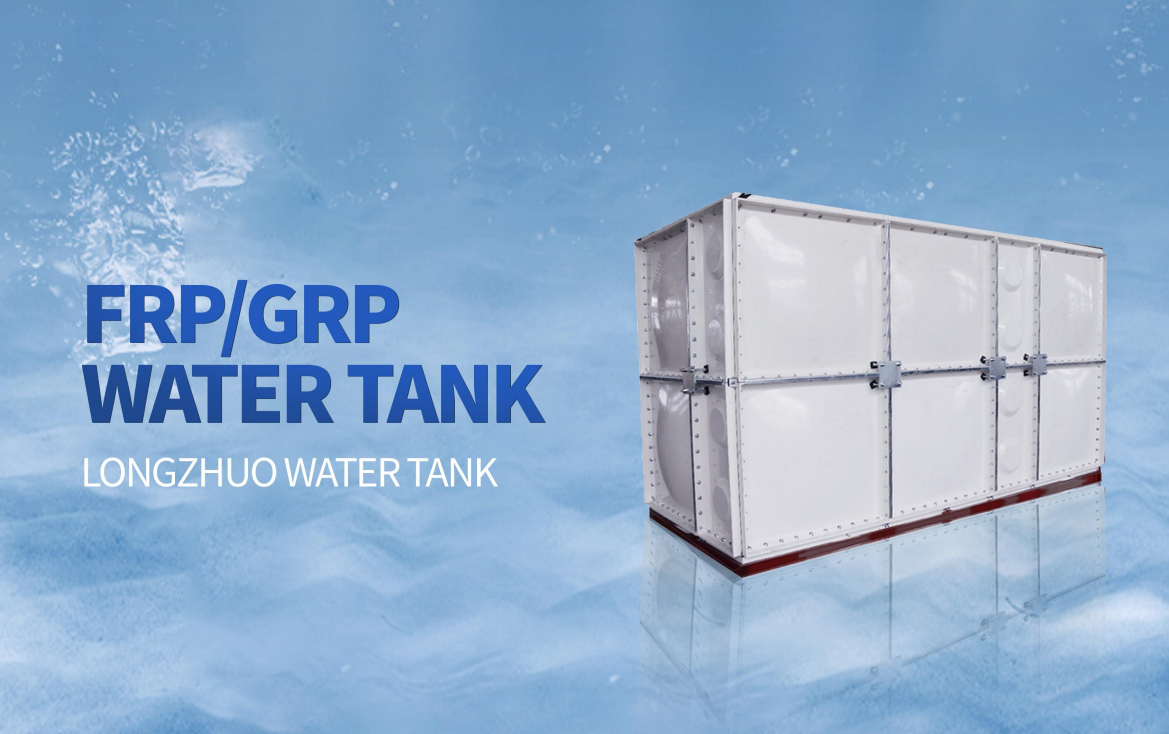
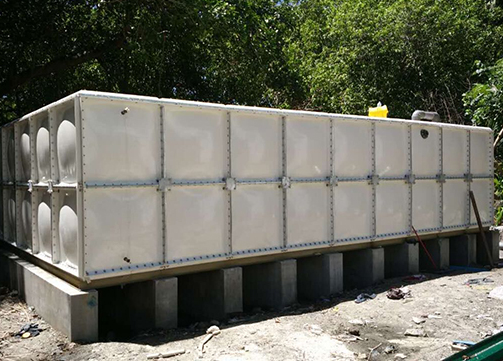
A sectional water tank is a storage system made from multiple individual panels assembled together to create a complete tank structure. These panels form the walls, base, and roof of the tank.
Unlike one-piece tanks manufactured and delivered as a complete unit, sectional tanks are assembled directly on-site. This installation method makes them suitable for projects where transporting large tanks is difficult or where installation areas have restricted access.
The design of sectional water tanks focuses on structural stability, installation flexibility, and efficient use of space.
Typical design elements include:
modular panel construction
internal reinforcement systems
sealed joints and connection points
These components work together to maintain water containment and structural integrity under different operating conditions.
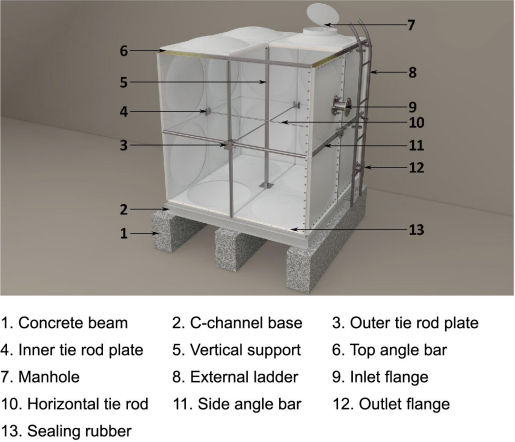
Sectional tanks are formed by connecting multiple panels into a unified structure.
The main structural parts include:
side panels that create the tank walls
base panels that support the tank load
roof panels that protect stored water
Depending on the tank size and operating requirements, internal bracing systems may also be installed to strengthen the structure and resist water pressure.
This modular arrangement allows tanks to be manufactured in different dimensions and capacities according to project requirements.
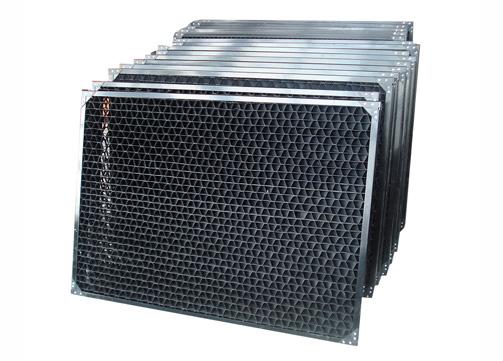
For water treatment projects, sectional tanks are often integrated with systems such as tube settler media and biological filtration equipment.
Sectional water tanks are often associated with bolted panel tanks, and the two terms are closely connected.
The difference mainly relates to the description focus:
sectional tanks refer to the modular panel structure
bolted tanks refer to the assembly method used to connect the panels
In many cases, sectional tanks are assembled using bolted connections.
Different materials can be selected based on water quality requirements, installation conditions, and environmental factors.
Common options include:
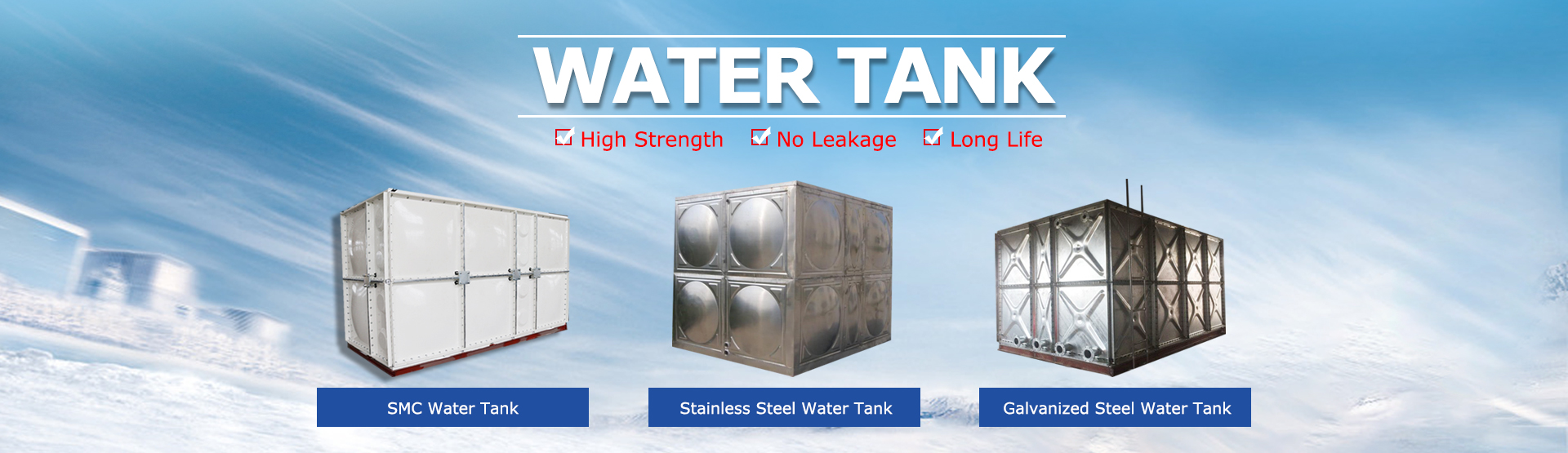
galvanized steel
stainless steel
GRP (fiberglass reinforced plastic)
The material selection influences several performance factors, including:
service life
corrosion resistance
maintenance requirements
environmental durability
Among these materials, GRP water tanks are widely used because of their corrosion resistance, lightweight structure, and long service life.
Flexible Configuration: The modular design allows tanks to be customized for different installation spaces and storage capacities.
Easier Transportation: Since the panels are delivered separately, transportation becomes more convenient compared to transporting large pre-assembled tanks.
On-Site Installation: Sectional tanks can be assembled in locations where cranes, wide access roads, or large installation spaces are unavailable.
Expandable Capacity: Additional panels can be added later if increased water storage capacity is required.
The long-term performance of a sectional water tank depends on several factors, including:
material quality
environmental exposure
installation accuracy
maintenance conditions
With proper design, installation, and regular maintenance, sectional tanks can provide reliable long-term water storage performance.
Routine maintenance is important to ensure continued system reliability and prevent operational issues.
Common maintenance tasks include:
inspecting panel joints and seals
checking structural supports and connections
cleaning internal tank surfaces
Because of the modular structure, damaged sections can often be repaired or replaced individually without replacing the complete tank.
In integrated water treatment facilities, maintenance teams may also inspect related components such as drift eliminators and cooling tower accessories during scheduled servicing.
Although sectional water tanks offer many advantages, certain limitations should also be considered.
These may include:
dependence on correct assembly procedures
regular inspection requirements for joints and seals
possible leakage if sealing materials deteriorate over time
Proper installation and scheduled maintenance help reduce these risks and maintain system performance.
Sectional water tanks are commonly selected when:
installation space is limited
transportation of large tanks is impractical
scalable storage capacity is needed
flexible tank dimensions are required
They are widely used in both new construction projects and water system upgrade applications.
Sectional water tanks offer a practical and adaptable solution for water storage systems. Their modular panel structure supports flexible design, easier transportation, on-site assembly, and future expansion. Understanding their design features, structural composition, and maintenance requirements helps project planners select the most suitable water storage solution for different applications.


Address
No.88, Qilian Street, High-Tech Zone, Shijiazhuang, Hebei 050000, China
Tel
+86 311 6779 0805
+86 188 4915 5666
Copyright © Hebei Long Zhuo Trade Co., Ltd. All Rights Reserved Technical Support:  Sitemap