Cooling tower retrofit and replacement projects are often planned when the existing cooling system can no longer deliver stable heat exchange performance. In many industrial facilities, cooling tower fill media becomes aged, deformed, scaled, blocked, or damaged after years of operation. Once the fill loses its original structure, the cooling tower may experience higher outlet water temperature, uneven water distribution, increased energy consumption, and more frequent maintenance.
For cooling tower repair, upgrade, and performance recovery, choosing the right Cooling Tower Fill Media is one of the most important steps. High-quality fill media helps improve air-water contact, restore heat transfer efficiency, and extend the service life of the cooling tower.
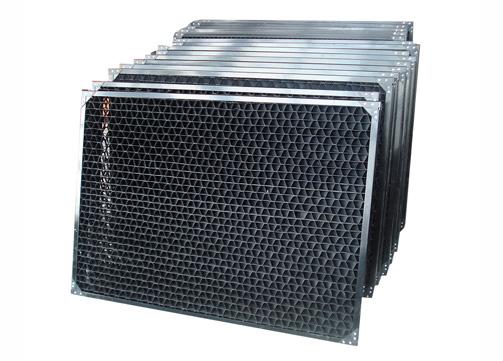
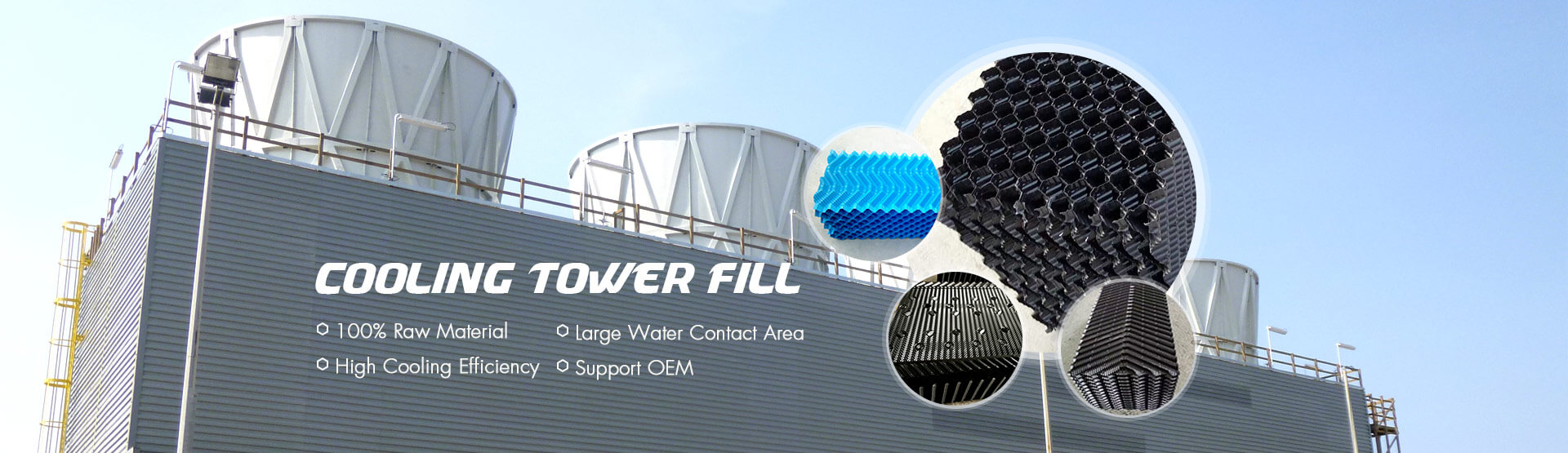
Cooling tower fill media is the core heat exchange component inside a cooling tower. Its main function is to increase the contact surface between water and air. When hot water flows through the fill, it is spread into thin films or droplets, allowing air to remove heat more efficiently.
However, after long-term operation, fill media may face several problems:
Aging and brittleness caused by long-term exposure
Deformation under high-temperature working conditions
Scaling caused by poor circulating water quality
Blockage caused by sludge, algae, suspended solids, or biological growth
Collapse or damage caused by improper installation or maintenance
Reduced air passage and higher ventilation resistance
Uneven water flow and lower cooling efficiency
When these problems appear, the cooling tower cannot perform as efficiently as designed. Replacing the old fill media with suitable new fill can help recover cooling performance without replacing the entire tower structure.
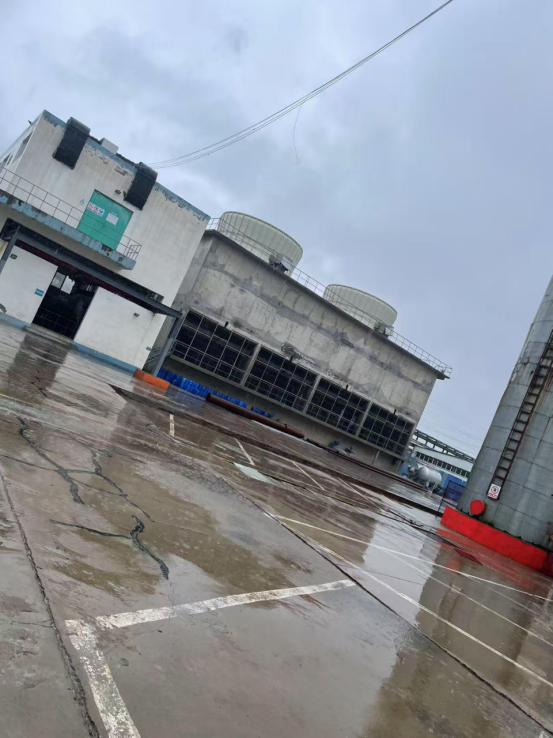
Cooling tower fill media should be inspected regularly, especially in industrial systems that operate continuously. If the tower shows obvious performance decline, fill replacement should be considered.
Common signs include:
Higher cooling water outlet temperature
Reduced cooling capacity
Visible scale or dirt on the fill surface
Cracked, brittle, or collapsed fill sheets
Uneven water distribution inside the tower
Increased fan or pump load
Frequent cleaning requirements
Poor airflow through the fill section
Production equipment affected by unstable cooling water temperature
For retrofit projects, the goal is not only to replace damaged fill. The new fill media should match the current working conditions, tower structure, water quality, temperature requirement, and maintenance expectations.
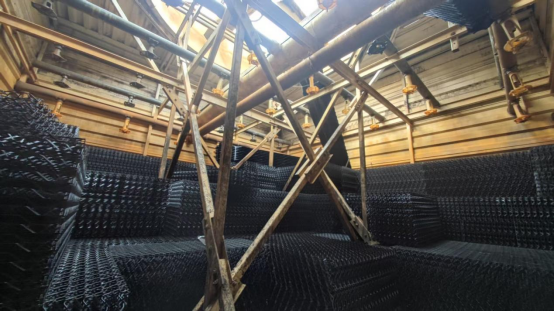
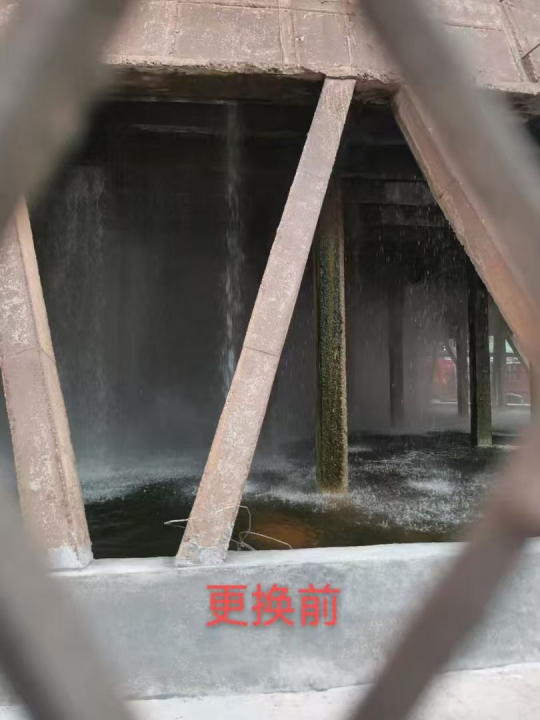
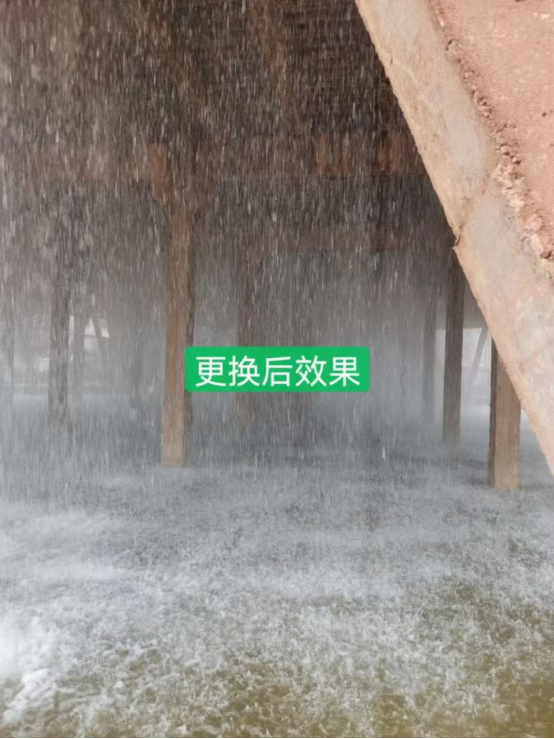
Different cooling towers require different fill media designs. Selecting the correct type helps improve performance and avoid repeated replacement problems.
PVC Cooling Tower Fill Media
PVC cooling tower fill is widely used in standard cooling tower systems. It has good forming performance, stable structure, and efficient heat exchange capability. PVC fill is suitable for many commercial and industrial cooling towers where circulating water quality is relatively clean and operating temperature is within the recommended range.
It is commonly used in HVAC cooling towers, industrial water circulation systems, power facilities, chemical plants, and general cooling tower replacement projects.
PP Cooling Tower Fill Media
PP cooling tower fill is suitable for applications requiring higher temperature resistance and stronger chemical performance. Compared with standard PVC fill, PP fill is often used in harsher working environments where the cooling water temperature is higher or the operating conditions are more demanding.
PP fill media can be used in chemical plants, refineries, steel mills, power plants, and other industrial cooling systems.
Crossflow fill is used in crossflow cooling towers, where water flows downward through the fill while air enters horizontally from the side. For crossflow tower replacement projects, the fill media must match the original tower design, air path, and water distribution system.
Counterflow Cooling Tower Fill
Counterflow fill is used in counterflow cooling towers, where water flows downward and air moves upward in the opposite direction. Counterflow fill media usually needs to provide efficient water spreading, low air resistance, and stable heat exchange performance in a compact tower structure.
For cooling towers with poor water quality, high suspended solids, scaling, or frequent clogging, PP Net Fill, also known as Trickle Fill, can be a suitable replacement option. Its open mesh structure allows water and air to pass through more freely, reducing the risk of blockage compared with dense film fill.
This type of fill is often used in power plants, steel mills, chemical plants, wastewater systems, seawater cooling systems, and other harsh operating conditions.
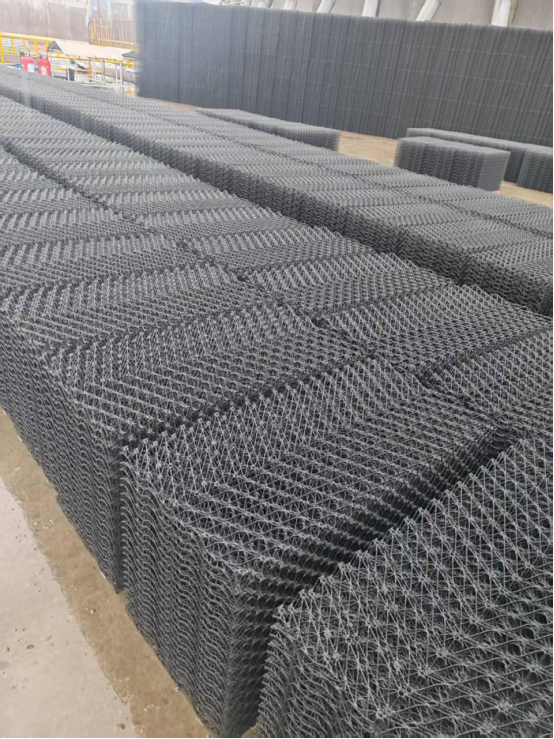
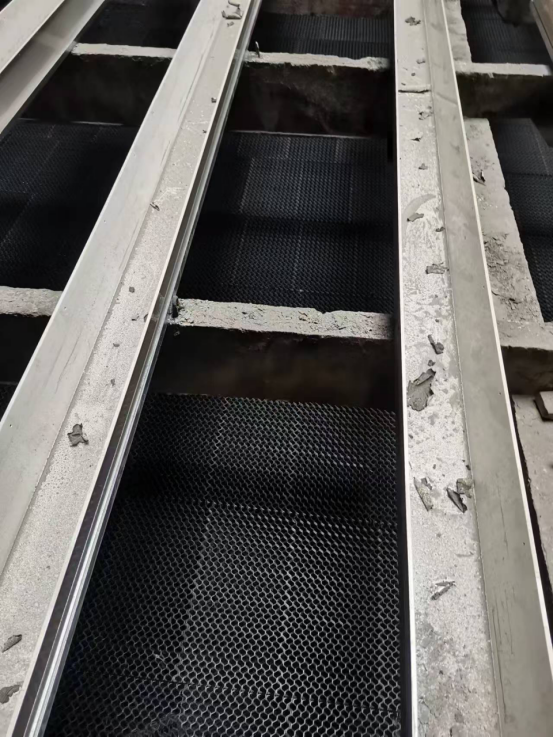
A successful cooling tower retrofit should solve the actual problems affecting system performance. New fill media can help improve the cooling tower in several ways.
First, it restores the heat exchange surface. When old fill becomes damaged or blocked, the available air-water contact area decreases. New fill media helps rebuild this contact surface and improves evaporative cooling performance.
Second, it improves water distribution. A well-designed fill structure allows water to spread evenly across the fill layer, reducing dry areas and improving overall thermal efficiency.
Third, it reduces airflow resistance. If the old fill is blocked by scale or biological growth, airflow becomes restricted. Replacing the fill can help air pass through the tower more smoothly.
Fourth, it supports energy-saving operation. When the tower transfers heat more efficiently, fans and pumps may operate under less pressure, helping reduce unnecessary energy consumption.
Finally, it reduces maintenance pressure. Suitable fill media can extend cleaning intervals, reduce unexpected shutdowns, and improve long-term tower reliability.
Before starting a retrofit or replacement project, several factors should be evaluated.
Tower Type: The fill must match the cooling tower structure. Crossflow and counterflow towers use different fill designs, dimensions, and airflow patterns.
Water Quality: Clean circulating water may be suitable for PVC film fill. Poor water quality, suspended solids, oil, sludge, or scaling conditions may require PP net fill or other anti-clogging fill solutions.
Operating Temperature: PVC, PP, and CPVC materials have different temperature resistance levels. Choosing the wrong material may lead to deformation, shortened service life, or reduced performance.
Installation Dimensions: Replacement fill should match the tower’s installation space, support frame, water distribution system, and airflow design. Custom dimensions may be required for retrofit projects.
Maintenance Requirements: Facilities that require easy cleaning and long maintenance intervals should choose fill media based on anti-clogging performance, durability, and accessibility.
Industrial Application: Different industries have different cooling tower challenges. Power plants, chemical plants, steel mills, refineries, HVAC systems, and food processing facilities may require different fill media solutions.
Cooling tower fill media is widely used in retrofit and replacement projects across many industries, including:
Power plant cooling tower upgrades
Chemical plant cooling tower replacement
Steel mill circulating water systems
Refinery cooling systems
HVAC cooling tower maintenance
Food processing cooling systems
Industrial water circulation systems
Wastewater cooling applications
Seawater cooling tower systems
Crossflow and counterflow cooling tower repairs
In these applications, fill replacement can help recover cooling efficiency, reduce operating problems, and support more stable production.


Address
No.88, Qilian Street, High-Tech Zone, Shijiazhuang, Hebei 050000, China
Tel
+86 311 6779 0805
+86 188 4915 5666
Copyright © Hebei Long Zhuo Trade Co., Ltd. All Rights Reserved Technical Support:  Sitemap