
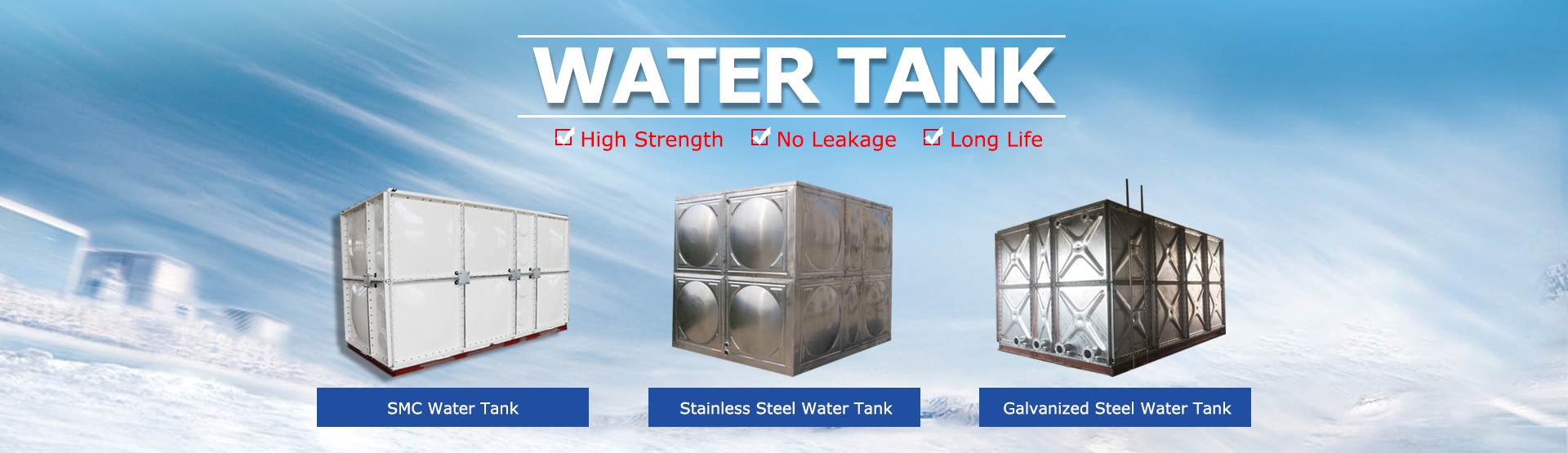
Bolted galvanized steel water tanks are widely used in industrial facilities, commercial buildings, water treatment projects, agricultural applications, and fire water storage systems. Unlike large one-piece tanks, sectional steel water tanks are manufactured as individual panels and components, then transported to the project site for assembly.
This modular design makes it easier to transport large-capacity water tanks and install them in locations where shipping a fully assembled tank would be difficult or impractical. However, successful delivery and installation require careful planning, from panel packaging and transportation to site preparation, component inspection, and final water testing.
This guide explains how bolted galvanized steel water tanks are transported and assembled on site, and what buyers and contractors should consider when planning a tank project.
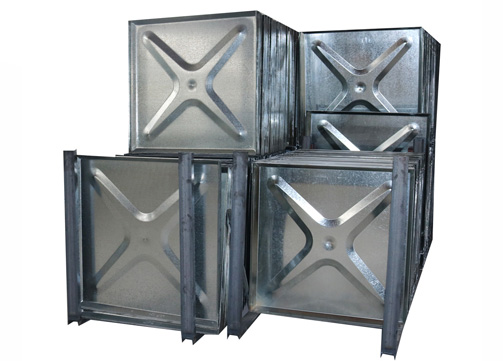
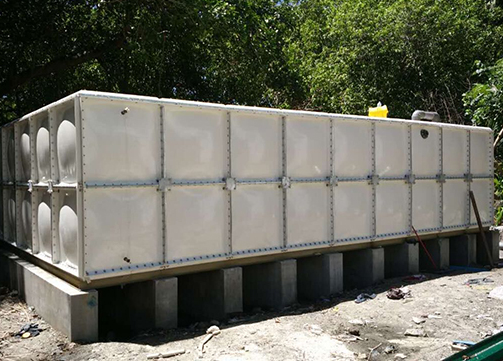
A bolted galvanized steel water tank is made up of multiple prefabricated steel panels rather than a single large structure. The panels are connected with bolts, nuts, and sealing materials during installation.
This sectional construction offers several practical advantages for transportation and project installation:
Easier transportation: Individual panels can be packed and shipped more conveniently than a fully assembled tank.
Flexible tank dimensions: Different panel combinations can be used to build tanks with project-specific lengths, widths, and heights.
Convenient site access: Components can be moved through relatively narrow access routes where large assembled tanks may be difficult to deliver.
Flexible installation schedule: Panels and accessories can be delivered before the installation team begins assembly.
Simplified replacement: Individual components may be inspected or replaced without transporting an entire tank structure.
For international projects, sectional construction is particularly useful because the tank components can be prepared for export transportation and assembled after arrival.
Before shipment, the manufacturer prepares the tank panels and accessories according to the confirmed tank dimensions and project specifications.
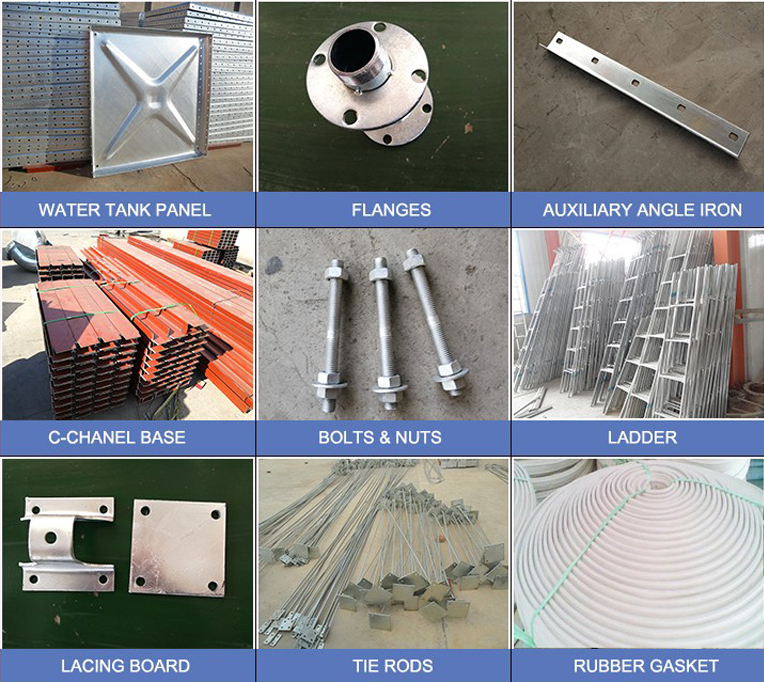
A typical bolted galvanized steel water tank may include the following components:
The panels form the bottom, side walls, and roof of the tank. Depending on the design, different panel sizes and thicknesses may be required for different positions.
Our galvanized steel water tank product range includes sectional panel configurations such as 1220 × 1220 mm, 1000 × 1000 mm, 1000 × 500 mm, and 500 × 500 mm. Actual panel dimensions and thicknesses should be confirmed against the tank design and project requirements.
The panels are manufactured with connecting flanges that allow adjacent sections to be bolted together. The flange configuration and hole arrangement should match the approved drawings so that the panels can be aligned correctly during installation.
Bolts, nuts, and washers are supplied according to the connection requirements. Their material and specifications should be confirmed in the project documentation.
Sealing materials are installed between panel joints to help prevent leakage. The correct sealing material, quantity, and installation method should be included in the supply package.
Depending on the tank dimensions and structural design, reinforcement components may include internal angle stays, external supports, and roof support members.
Additional items may include ladders, level indicators, manhole covers, flanges, and connection fittings, depending on the customer's configuration.
All components should be checked against the approved bill of materials before packing. This helps reduce the risk of missing parts during installation.
Proper packaging helps protect galvanized steel panels and accessories during handling, loading, and transportation.
The exact packing method depends on panel dimensions, shipment quantity, transportation distance, and the selected shipping method.
Common packaging considerations include:
Panel grouping: Panels should be grouped according to their dimensions, thicknesses, and intended installation positions. Clear identification makes it easier to locate the required components on site.
Surface protection: Appropriate protective materials should be used to reduce scratches, friction, and handling damage to the galvanized surfaces.
Component separation: Smaller accessories, including bolts, nuts, washers, and sealing materials, should be packed separately and labeled clearly.
Loading arrangement: Panels should be arranged to make effective use of available container or vehicle space while allowing safe unloading at the destination.
Package identification: Each package should be marked with relevant project information, component descriptions, quantities, and handling instructions.
For large tank projects, it is useful to prepare a packing list that corresponds to the approved drawings and bill of materials. This allows the receiving team to check the shipment systematically.
Transportation planning should begin before the tank enters production. Several project details can affect packaging, loading, and delivery arrangements.
The tank's length, width, and height determine the required panel configuration and the total number of components.
Buyers should confirm the final tank dimensions before manufacturing begins. Changes made after production may affect panel quantities, packaging arrangements, and delivery schedules.
Check whether the quotation includes all required materials, such as:
Bottom, side, and roof panels
Internal or external reinforcement
Bolts, nuts, and washers
Joint sealing materials
Roof supports
Ladders and level indicators
Inlet, outlet, overflow, and drain connections
Not every project requires the same accessories. The final supply scope should be confirmed before shipment.
International orders may be shipped by sea, while domestic projects may use road transportation or other available methods.
The transportation plan should account for package dimensions, total shipment weight, unloading equipment, delivery access, and the availability of suitable storage space at the destination.
The arrival of tank components should be coordinated with site preparation and the installation team's schedule. Delivering materials too early may create unnecessary storage requirements, while late delivery can delay the construction program.
For export projects, buyers should also confirm shipping documents, customs requirements, and the responsibilities of the supplier and receiving party.
A suitable installation site is essential for the stability and service performance of a bolted galvanized steel water tank.
Before the components arrive, the project team should complete the following preparations.
The foundation must be designed to support the tank and the weight of the stored water. A full tank can impose a substantial load on the supporting structure, so foundation design should follow the approved engineering drawings and site conditions.
Depending on the project, the tank may be installed on a concrete foundation or another specifically designed support structure.
Before assembly, check that:
The foundation dimensions match the approved tank drawings.
The supporting surface is level and properly finished.
The foundation has adequate load-bearing capacity.
The required drainage and access arrangements are available.
Anchor points or steel support members are ready if required by the design.
Foundation requirements should be confirmed by the project's structural engineer rather than estimated from the empty tank dimensions alone.
The installation area should provide enough space for unloading, temporary storage, panel handling, and assembly.
The contractor should also confirm that lifting equipment, tools, electricity, and installation personnel are available when required.
After delivery, panels and accessories should be stored in a clean, dry, and organized area. Avoid placing heavy objects on the panels or allowing them to drag against rough surfaces.
Components should remain identified so that the installation team can match them with the relevant drawings and assembly sequence.
Once the foundation and components have been inspected, the installation team can begin assembly according to the manufacturer's instructions and approved drawings.
The general assembly process includes the following stages:
Step 1: Check the delivered components
Compare the delivered panels and accessories with the packing list. Inspect the galvanized surfaces, panel edges, flanges, and connecting holes for visible damage or deformation.
Step 2: Position the bottom structure
Install the required steel footings or support members where specified. Position the bottom panels according to the approved layout and check their alignment.
Step 3: Install the sealing material
Apply the specified sealing material between the panel joints. Its position and continuity are important for achieving a watertight connection.
Step 4: Connect the panels
Align the panel flanges and install the specified bolts, nuts, and washers. Tightening should follow the manufacturer's recommended sequence and requirements.
Step 5: Assemble the side walls
Build the tank walls according to the approved assembly sequence. Maintain alignment between adjacent panels and install reinforcement components at their designated positions.
Step 6: Install the roof structure
Position the roof panels and install the required roof supports. The support arrangement depends on the tank design and whether the structure uses a supported or other specified roof configuration.
Step 7: Complete reinforcement and accessories
Install the remaining internal or external reinforcement, ladders, manholes, level indicators, and connection fittings included in the project supply.
Step 8: Inspect the completed structure
Before filling the tank, check the panel alignment, bolt connections, sealing joints, reinforcement, and pipe connections. Any installation issues should be corrected before commissioning.
The exact assembly sequence may vary depending on tank dimensions, structural design, site conditions, and installation access. The project team should always follow the supplied drawings and installation instructions.
After assembly, the tank should undergo inspection and appropriate testing before normal operation.
A typical commissioning checklist includes:
Confirming that the tank dimensions and configuration match the approved drawings
Checking panel alignment and visible deformation
Inspecting bolted connections and sealing joints
Confirming that reinforcement and roof supports are correctly installed
Checking the inlet, outlet, overflow, and drain connections
Verifying that access openings and accessories are correctly fitted
Carrying out the specified water-filling or leakage test
Inspecting the tank during testing for leakage or abnormal movement
Water testing should follow the project specifications and the manufacturer's recommendations. Where required, filling should be carried out in controlled stages so that the structure and connections can be monitored.
If leakage or unusual deformation is observed, the cause should be identified and corrected before the tank is placed into service. Testing and inspection should be supervised by qualified personnel in accordance with applicable project requirements.
Good coordination between the manufacturer, buyer, and installation contractor can reduce delays and avoid unnecessary costs.
For a smoother project, consider these practical measures:
Finalize drawings before production. Confirm the tank dimensions, panel arrangement, connection positions, and accessory requirements before manufacturing.
Use a clear packing list. Identify panels and accessories by size, type, and quantity so the receiving team can check them quickly.
Coordinate shipping with site readiness. Arrange delivery according to the foundation completion date and the installation schedule.
Prepare lifting and handling equipment. Confirm the required unloading equipment and safe handling procedures before the shipment arrives.
Keep installation documents available. Provide the contractor with approved drawings, component lists, and assembly instructions before work begins.
Confirm responsibilities in advance. Clarify which party supplies installation labor, lifting equipment, tools, sealing materials, and commissioning services.
These steps are especially important for large-capacity tanks and international projects where transportation, customs clearance, and site installation may involve different teams.
Our Galvanized Steel Water Tank is a sectional storage solution designed for projects requiring flexible tank dimensions and on-site assembly.
The product is manufactured using galvanized steel panels with bolted connections. Depending on the project configuration, the tank can be supplied with connecting flanges, internal reinforcement, roof supports, bolts, nuts, washers, sealing materials, ladders, and level indicators.
Tank dimensions, panel thicknesses, connection arrangements, and accessories can be reviewed according to the required storage capacity and project specifications.
When requesting a quotation, please provide the following information:
Required tank capacity
Tank length, width, and height, if already determined
Application, such as potable water, industrial water, or fire water storage
Installation location and site conditions
Required accessories and pipe connection positions
Estimated order quantity
Delivery destination and expected schedule
Our team can review your project requirements and discuss the appropriate tank configuration, component supply, and transportation arrangements.
Contact us to learn more about our galvanized steel water tanks and request a project quotation.
Bolted galvanized steel water tanks are transported as sectional components and assembled at the installation site. Their modular construction provides flexibility in tank dimensions, transportation, and project delivery, but successful installation depends on proper coordination.
By confirming the tank design, checking the component list, protecting panels during transportation, preparing the foundation, and following the approved assembly instructions, buyers and contractors can make the installation process more organized and efficient.
For any tank project, transportation and assembly should be considered during the design and quotation stages—not only after the materials arrive on site.
Previous: None


Address
No.88, Qilian Street, High-Tech Zone, Shijiazhuang, Hebei 050000, China
Tel
+86 311 6779 0805
+86 188 4915 5666
Copyright © Hebei Long Zhuo Trade Co., Ltd. All Rights Reserved Technical Support:  Sitemap