



Interested in getting started? Give us a shout and we can review your project today!
Address
No.88, Qilian Street, High-Tech Zone, Shijiazhuang, Hebei 050000, China
Tel
+86 311 6779 0805
+86 188 4915 5666

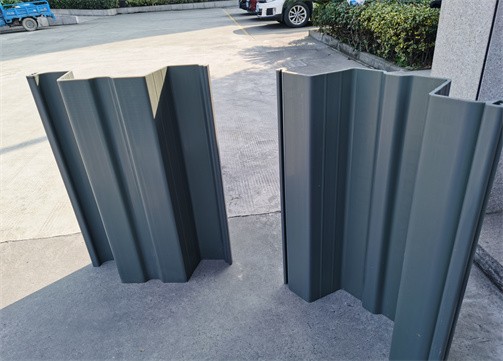
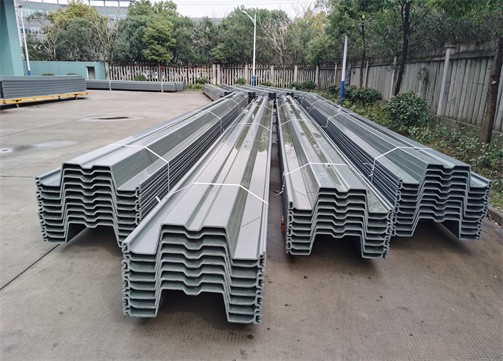
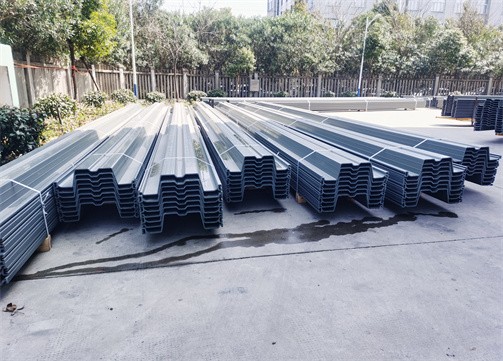
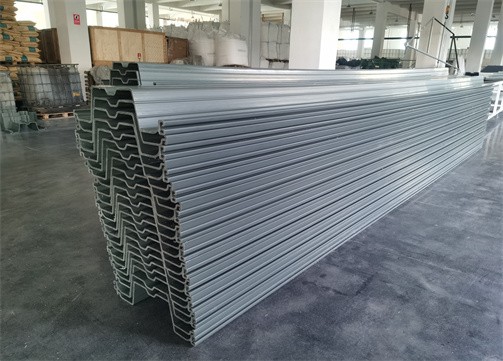
Vinyl sheet piles as a material and a construction product have been known for almost 40 years. Due to their certain properties and indisputable advantages, they fit into a nice on the market of construction products, perfectly filling the gap between materials such as steel, concrete and wood. All thanks to the fact that they are distinguished by the appropriate strength for their applications, aesthetic appearance, incomparable durability (especially in the marine environment), low weight and above all their attractive price! Not to mention the lack of maintenance work required unlike other products such as painting with special coatings, etc
Durability in Harsh Environments: PVC sheet piles resist corrosion from saltwater, brackish water, and aggressive soils. Unlike steel, they do not rust and maintain strength for decades even in coastal or marine applications.
Lightweight and Easy to Handle: Their lower weight simplifies transportation, storage, and installation. Smaller cranes or vibratory equipment can be used, reducing labor and equipment costs on site.
Tight Interlock Design: The interlocking profiles form a continuous barrier that controls water seepage and soil erosion. This is especially important for flood protection, seawalls, and bulkheads.
Flexible Wall Configurations: Different profiles (U, Z, W) allow walls to be customized for height, load, and shape. Modular design also allows extensions or adjustments during construction.
Low Maintenance: PVC walls require minimal maintenance compared with steel or timber. No coating or painting is needed, and cleaning is easy if silt or debris accumulates.
Long-Term Stability: Designed to withstand hydrostatic pressure, wave action, and soil movement without bending, cracking, or losing integrity.
Environmentally Friendly: PVC sheet piles are recyclable and do not leach harmful substances into water or soil, making them suitable for eco-sensitive projects.
Integration With Other Systems: Can be combined with tie rods, concrete caps, geotextiles, or riprap to enhance performance and meet structural or landscaping requirements.
| Material | PVC |
| Section Width | 718 mm |
| Section depth | 180 mm |
| Length | Customization |
| Thickness | 8/9/10 mm |
| Color | Grey/Customization |
| Weight | 17.5±1 kg/m |
| Tensile Strength | 45.52 Mpa |
| Flexural Strength | 68.87Mpa |
| Modulus of Elasticity | 2980 Mpa |
| Notched Izod impact | 8.08 KJ/㎡ |
| Heat Deflection Temperature | 81.1℃ |
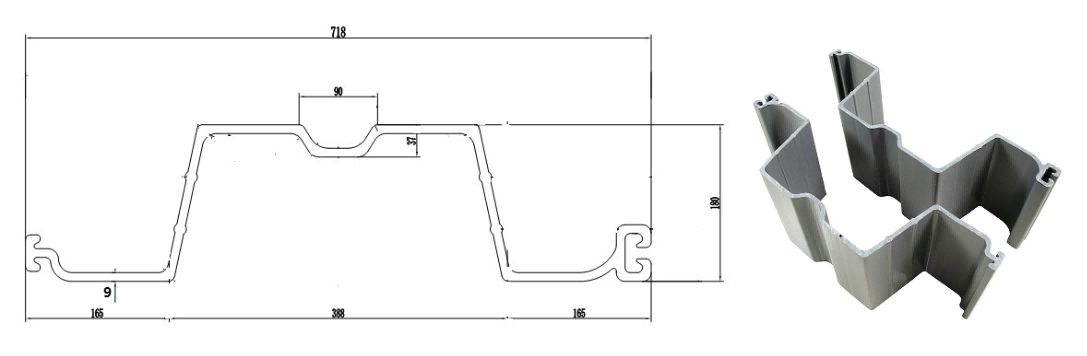
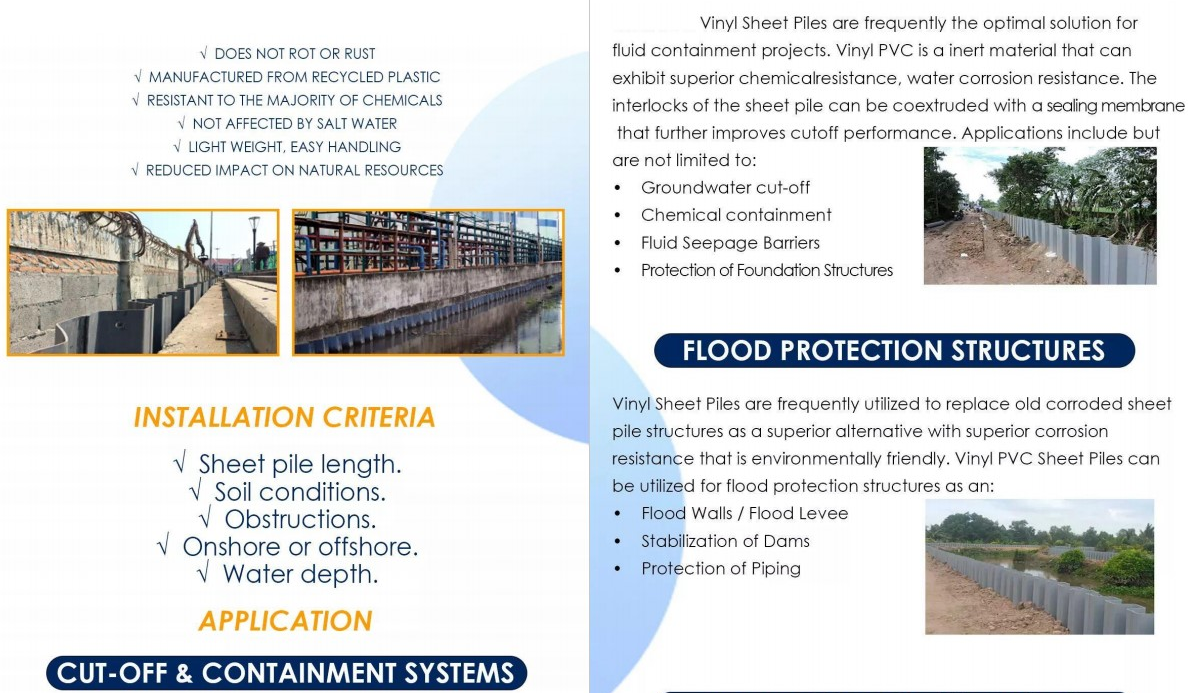
ESC has provided sheet piling solutions for marine structures for over 25 years. Vinyl PVC sheet piles are widely used due to their corrosion resistance, lightweight design, attractive appearance, and ease of installation. Most marine structures require additional support systems such as tie rods or anchors for structural strength.
Applications include:
Marine bulkheads and seawall panels
Tide walls
Breakwaters and wave barriers
Jetty structures
Groins
Scour and erosion protection
Retaining walls
ESC Vinyl Sheet Piles are ideal for fluid containment and seepage control because PVC offers excellent chemical and water corrosion resistance. Sealing membranes can also be added to improve cut-off performance.
Applications include:
Groundwater cut-off systems
Chemical containment
Fluid seepage barriers
Foundation protection
Vinyl PVC sheet piles are commonly used for flood protection structures and for replacing old corroded sheet piles with a more durable and environmentally friendly solution.
Applications include:
Flood walls and levees
Dam stabilization
Pipeline protection
ESC Vinyl PVC Sheet Piles are used in water control systems to regulate water flow in ponds, rivers, and drainage channels. They are lightweight, durable, corrosion resistant, and eco-friendly.
Applications include:
Baffle walls for water and wastewater control
River weirs
Pond and channel linings
River diversion systems
Mining drainage systems
Vinyl PVC sheet piles are widely used for both temporary and permanent retaining structures due to their durability, corrosion resistance, and water tightness.
Cofferdams
Diaphragm walls
Foundation support systems
Quay walls
Bridge abutments
Underground tanks
Basements, tunnels, and shafts
Vinyl sheet piles provide effective shoreline and waterfront protection while offering durability, corrosion resistance, and reduced environmental impact. They are also used with revetment systems to prevent scouring and soil erosion.
Applications include:
Beachfront and coastline protection
Riverbank protection
Road and bulkhead protection
Protection of marine structures such as jetties, docks, and piers
Vinyl sheet piles are suitable for embankment and road projects because of their excellent water tightness and efficient space utilization. They also help reduce backfill requirements and eliminate slope protection works.
Applications include:
Elevated or over-water roads
Walkways
Coastal roads
Jetties and berths
Reclamation projects
Vinyl sheet piles are designed for efficient installation across a wide range of soil and water conditions. Their lightweight nature, corrosion resistance, and ease of handling make them suitable for both temporary and permanent structures.
The choice of equipment depends on ground conditions, pile length, available working space, and project requirements. Common equipment includes:
Vibratory hammers
Excavators
Pile driving rigs
Cranes
Plate compactors
In soft soils, sheet piles may also be installed using excavator-mounted pressing methods.
Typical installation steps include:
Site layout and setting out alignment
Installation of guide frames for positioning control
Positioning the first sheet pile accurately
Driving or pressing the pile into the ground
Connecting adjacent piles through interlocking joints
Continuous checking of verticality and alignment during installation
Proper alignment and correct interlock engagement are essential to ensure structural stability and water tightness.
Maintain accurate vertical alignment during driving
Ensure proper engagement of interlocks between adjacent piles
Avoid excessive force that may damage the profile or joints
Use guide systems where necessary for improved precision
Adapt installation method based on soil conditions


Address
No.88, Qilian Street, High-Tech Zone, Shijiazhuang, Hebei 050000, China
Tel
+86 311 6779 0805
+86 188 4915 5666
Copyright © Hebei Long Zhuo Trade Co., Ltd. All Rights Reserved Technical Support:  Sitemap